



A fork in the road ahead; let's own the decision. CCM's VP, Dr. Ed Weisbart, explains.

Where Does Medicare Go From Here: Profit-Driven Chaos or Patient-Centered Community?
prospect.org
After covering the Medicare privatization crisis for over two years, an investigative reporter takes a step back and examines what’s at stake.
New three-minute video exposing the structural irredeemable flaws of Medicare DisAdvantage and a better way forward for us all.

0 CommentsComment on Facebook
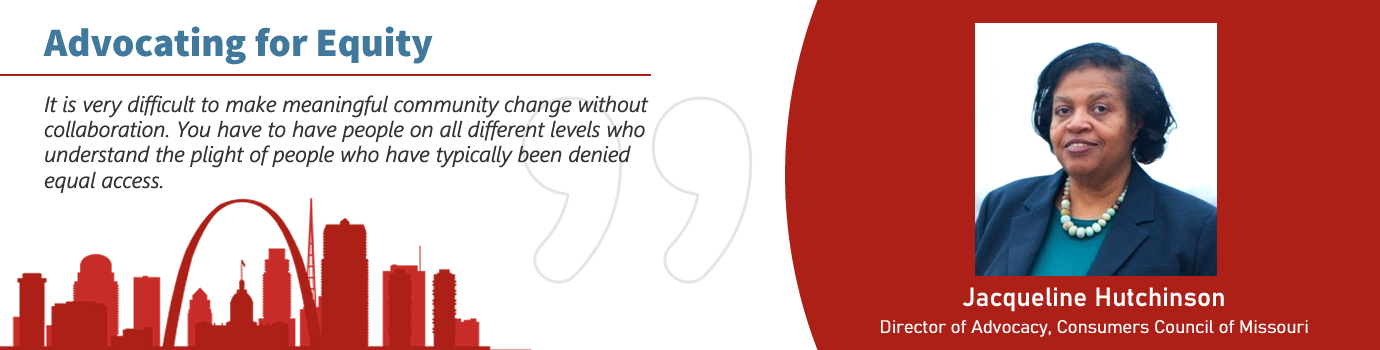
Consumers Council of Missouri held our 2024 annual meeting on April 5, 2024, and we are excited to announce our new board and executive officers: Left to right, front row - Sen. Tracy McCreery, Sandy Padgett (Executive Director), Odester Saunders, Alderwoman Cara Spencer; middle row - John Bruce Coffman (Utility Consumer Counsel), Nicole Lynch, Shawna Collier (Secretary), Jackie Hutchinson (Director of Advocacy), and Jeanette Mott Oxford (President); back row - Dave Cannon (Treasurer), Etefia Umana, and Peter Merideth. Ed Weisbart (Vice-President), Les Sterman, and Georgie Donahue were unable to be present.
1 CommentComment on Facebook
Such a great group! Hoping to work w them in the future but for now, please consider how you can help!
Better keep an eye on your health insurance. Brokers in states like MO are able to switch you without asking you!
Analysis | Unauthorized sign-ups cast shadow on Obamacare’s record enrollment
www.washingtonpost.com
Federal regulators are contending with a “large number” of people who’ve been enrolled in ACA plans, or switched from one plan to another, without their authorization.0 CommentsComment on Facebook
St. Louis Equal Housing and Community Reinvestment Alliance (SLEHCRA) Joins Build Missouri Health as a Fiscally Sponsored Project
St. Louis, MO – April 1, 2024 - The St. Louis Equal Housing and Community Reinvestment Alliance (SLEHCRA) is pleased to announce its new affiliation with Build Missouri Health as a fiscally sponsored project. SLEHCRA, a coalition of nonprofit and community organizations in the St. Louis metropolitan area, has long been dedicated to increasing investment in low-and-moderate-income communities and minority communities. SLEHCRA does this by working collaboratively with banks to ensure their obligations under the Community Reinvestment Act and fair lending laws are met. Over the past fourteen years, SLEHCRA has been successful in promoting economic growth and banking equity in the region.
Build Missouri Health (BMH), with its mission to foster and amplify community-led innovations through partnerships resulting in radical systems changes that create equitable health outcomes, is thrilled to welcome SLEHCRA into its fold. This partnership represents a significant step towards addressing the systemic issues that impact both housing and health outcomes in the St. Louis region.
Jasmine Hall Ratliff, Executive Director of BMH, expressed her excitement about the collaboration, stating, "At BMH, we believe that health equity begins with addressing the social determinants of health, including access to safe and affordable housing and a sustainable income. We are thrilled to welcome SLEHCRA as a fiscally sponsored project and look forward to leveraging our combined efforts to create meaningful change in the St. Louis community."
SLEHCRA also looks forward to continuing its vital role in the St. Louis region in partnership with BMH; "Working together presents an incredible opportunity to expand our impact and further our mission”, commented Jackie Hutchinson, SLEHCRA Co-Chair and Director of Advocacy for Consumers Council of Missouri. “Together, we will continue to advocate for a more inclusive and prosperous St. Louis for all."
With this collaboration, SLEHCRA and BMH are poised to drive positive change and improve outcomes for communities across the St. Louis metropolitan area.
0 CommentsComment on Facebook
wendellpotter.substack.com/p/big-insurance-2023-revenues-reached
wendellpotter.substack.com
The seven big for-profit U.S. health insurers, which also control access to prescription drugs, have seen revenues increase by over 345% in the last decade.0 CommentsComment on Facebook
0 CommentsComment on Facebook